
Building Brand Loyalty Through Strategic Merchandise
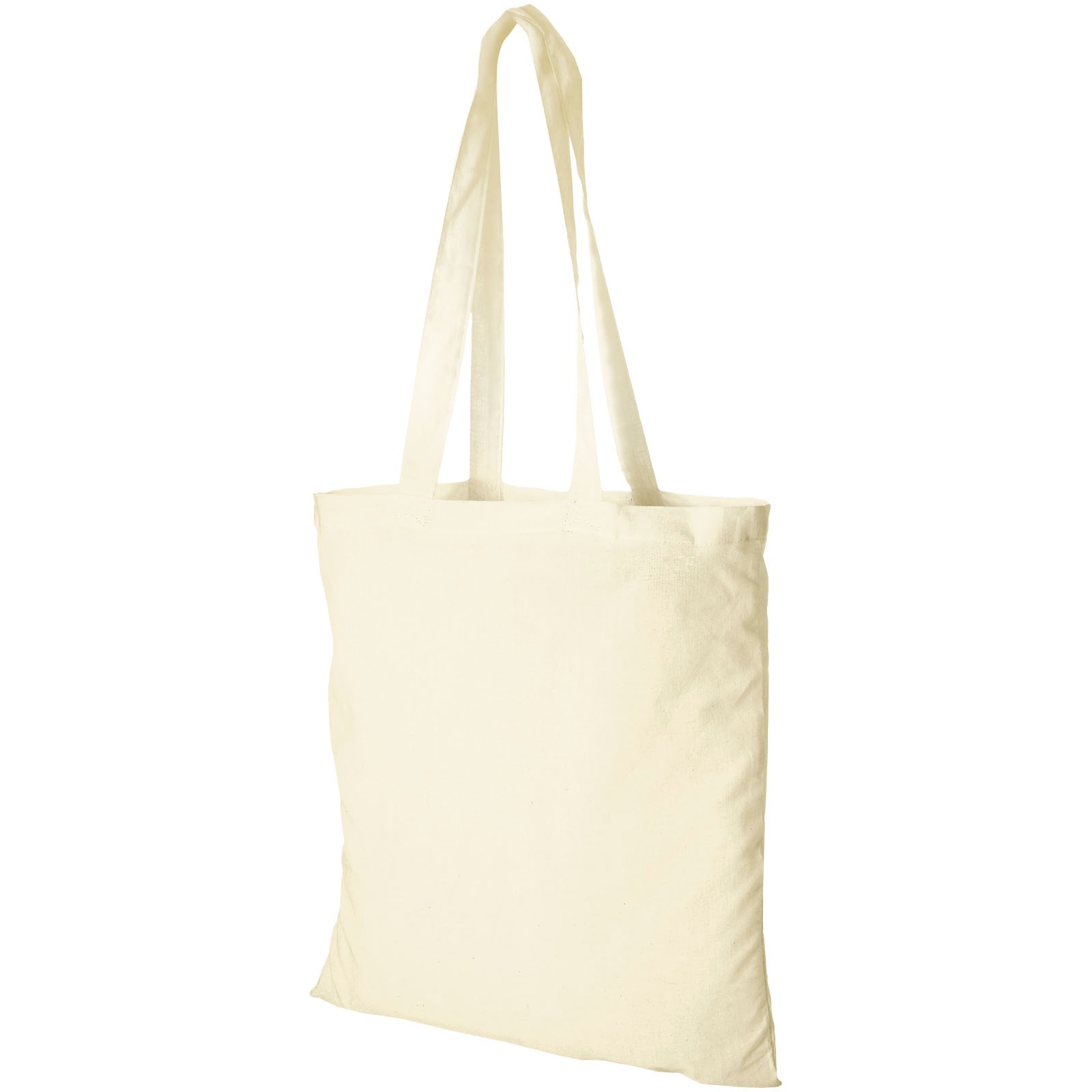
Discover how to transform promotional items into powerful tools for long-term customer retention and employee engagement with our guide to strategic merchandise.
The Evolution of Brand Loyalty in the B2B Landscape
In the hyper-competitive B2B landscape of 2026, the traditional sales funnel has been replaced by a continuous loop of engagement. It is no longer enough to simply acquire a customer; the real value lies in retaining them and turning them into brand advocates. While digital marketing and software-as-a-service (SaaS) models dominate our screens, the physical world offers a unique, tactile opportunity to cement relationships. This is where strategic merchandise transcends the label of 'giveaways' and becomes a cornerstone of brand loyalty.
Strategic merchandise is not about flooding the market with cheap, disposable items. It is about the thoughtful selection of high-quality products that align with your brand values and integrate seamlessly into the recipient's life. When executed correctly, a physical product acts as a silent brand ambassador, sitting on a desk or being worn in public, constantly reinforcing a positive association with your organisation.
The Psychology of the Tangible: Why Merchandise Works
At its core, the effectiveness of promotional merchandise is rooted in the principle of reciprocity. When a brand provides something of genuine value—whether it is a high-performance tech accessory or a beautifully designed piece of apparel—the recipient feels a subconscious urge to return the favour. In a business context, this translates to increased brand preference, higher contract renewal rates, and a willingness to provide referrals.
Furthermore, physical items trigger a sensory experience that digital ads cannot replicate. The weight of a premium pen, the texture of an organic cotton hoodie, or the sleek finish of a stainless steel water bottle creates a lasting memory. In 2026, as AI-generated content saturates our digital feeds, the 'realness' of a physical object carries more emotional weight than ever before.
Quality Over Quantity: The 2026 Sustainability Mandate
The days of 'swag' for the sake of swag are over. Today’s B2B buyers and employees are more environmentally conscious than ever. Distributing low-quality, plastic-heavy items that end up in a landfill within a week does more than just waste money—it actively damages your brand reputation. To build loyalty, your merchandise strategy must prioritise sustainability and longevity.
Focus on products with verified eco-credentials, such as GRS-certified recycled materials or OEKO-TEX-certified textiles. By choosing sustainable promotional items, you signal to your clients that your brand is forward-thinking and responsible. A high-quality, durable item that lasts for years will provide a significantly higher Return on Investment (ROI) and a much lower cost-per-impression than a cheap alternative.
Actionable Strategies for Building Loyalty
1. The Curated Employee Onboarding Experience
Loyalty begins at home. Your employees are your most important brand ambassadors. A generic welcome email is forgettable; a curated 'Welcome to the Team' kit is transformative. Consider including a high-quality branded laptop sleeve, a personalised notebook, and a premium hoodie. This creates an immediate sense of belonging and professional pride, which is essential for talent retention in a remote and hybrid working world.
2. High-Value Client Retention Gifts
Instead of sending generic holiday cards, use data-driven insights to send strategic gifts at key milestones. Has a client been with you for three years? Have they just hit a significant usage milestone with your software? A high-end lifestyle gift, such as a designer vacuum flask or a Bluetooth speaker from a recognised retail brand, shows that you value the partnership beyond the transaction. This 'surprise and delight' tactic is one of the most effective ways to reduce churn.
3. The 'Lifestyle Integration' Approach
The best merchandise is the kind that people actually use in their daily lives. Think about the 'Work-From-Anywhere' culture. Items like noise-cancelling headphones, ergonomic desk mats, or high-quality insulated coffee tumblers are highly valued because they solve a problem. When your brand becomes a part of their daily routine, you are no longer just a vendor; you are a partner in their productivity.
Using Data to Drive Merchandise Decisions
In 2026, strategic merchandise should be integrated with your CRM and marketing automation platforms. By tracking which items are requested or well-received, you can refine your selection over time. For example, if your data shows that your tech-sector clients prefer minimalist, functional items, you can pivot your budget toward minimalist tech organisers rather than traditional office stationery.
Actionable Tip: Use QR codes on your packaging to lead recipients to a personalised landing page. This not only provides a digital touchpoint but also allows you to track the engagement levels of your physical campaigns.
Measuring the ROI of Loyalty Merchandise
While it is harder to track than a click-through rate, the ROI of strategic merchandise can be measured through several B2B metrics:
- Net Promoter Score (NPS): Monitor shifts in NPS following a major gifting campaign.
- Customer Lifetime Value (CLV): Compare the CLV of clients who receive strategic gifts versus those who do not.
- Employee Referral Rates: High-quality internal merchandise often correlates with higher employee advocacy.
- Social Media Mentions: Track 'unboxing' moments on LinkedIn, which provide valuable organic reach and social proof.
Conclusion: Investing in the Long Term
Building brand loyalty is a marathon, not a sprint. Strategic merchandise is a powerful tool in this journey, providing a tangible bridge between your brand and your audience. By focusing on quality, sustainability, and genuine utility, you can transform simple products into lasting symbols of trust and partnership.
As you plan your 2026 marketing budget, move away from the 'disposable' mindset. Invest in items that represent the excellence of your own services. Remember: every piece of merchandise you distribute is a reflection of your brand’s standards. Make it count.
About the author
International Marketing Expert & Brand Strategist
James has over 10 years of experience in European B2B marketing and promotional products, working with companies across the UK, Germany, and the Nordic countries.
Related categories
Related articles
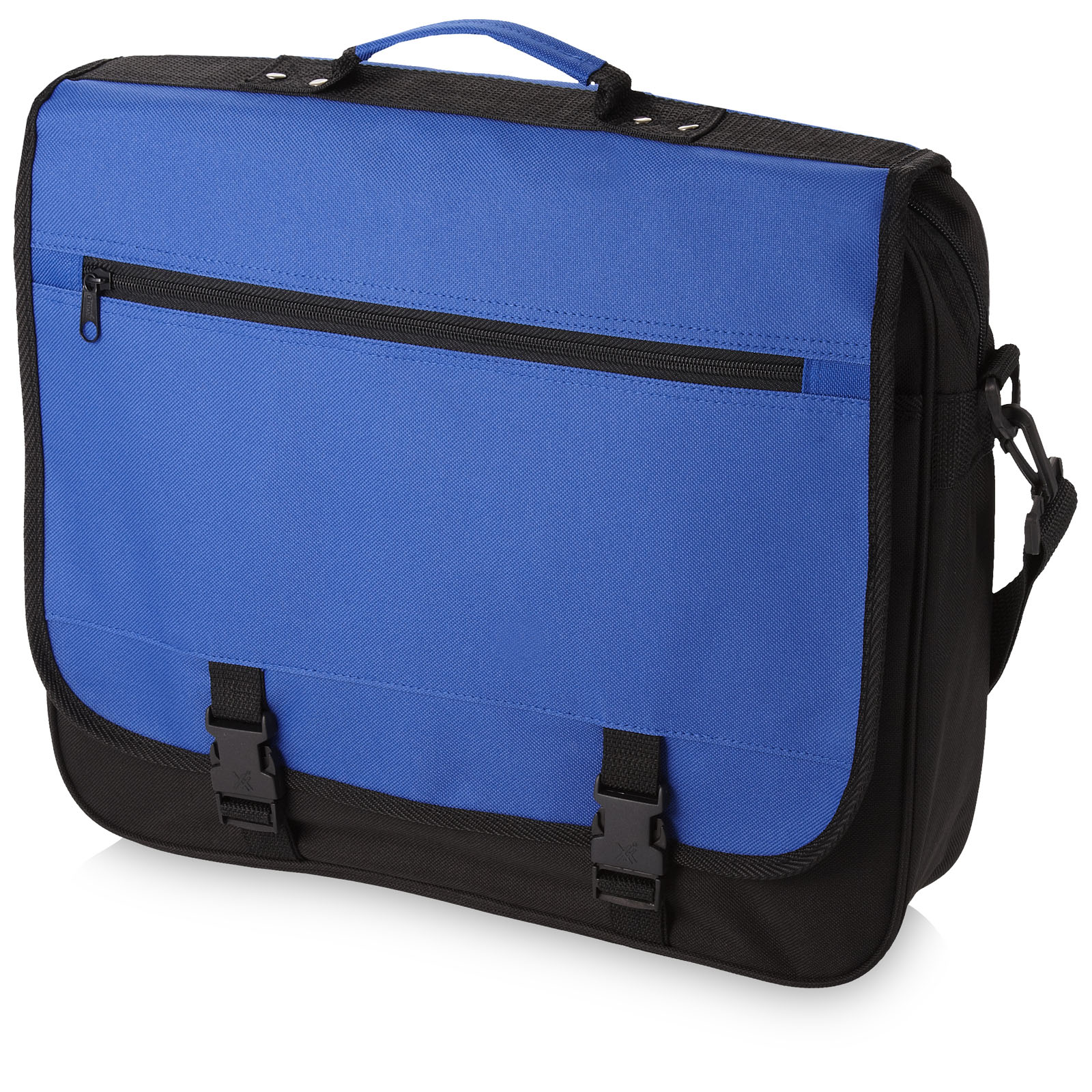
Printing on Bags: Which Method Suits Your Business?
Screen print, transfer or embroidery? Compare printing methods for bags by cost, durability and material to find the right fit for your brand.
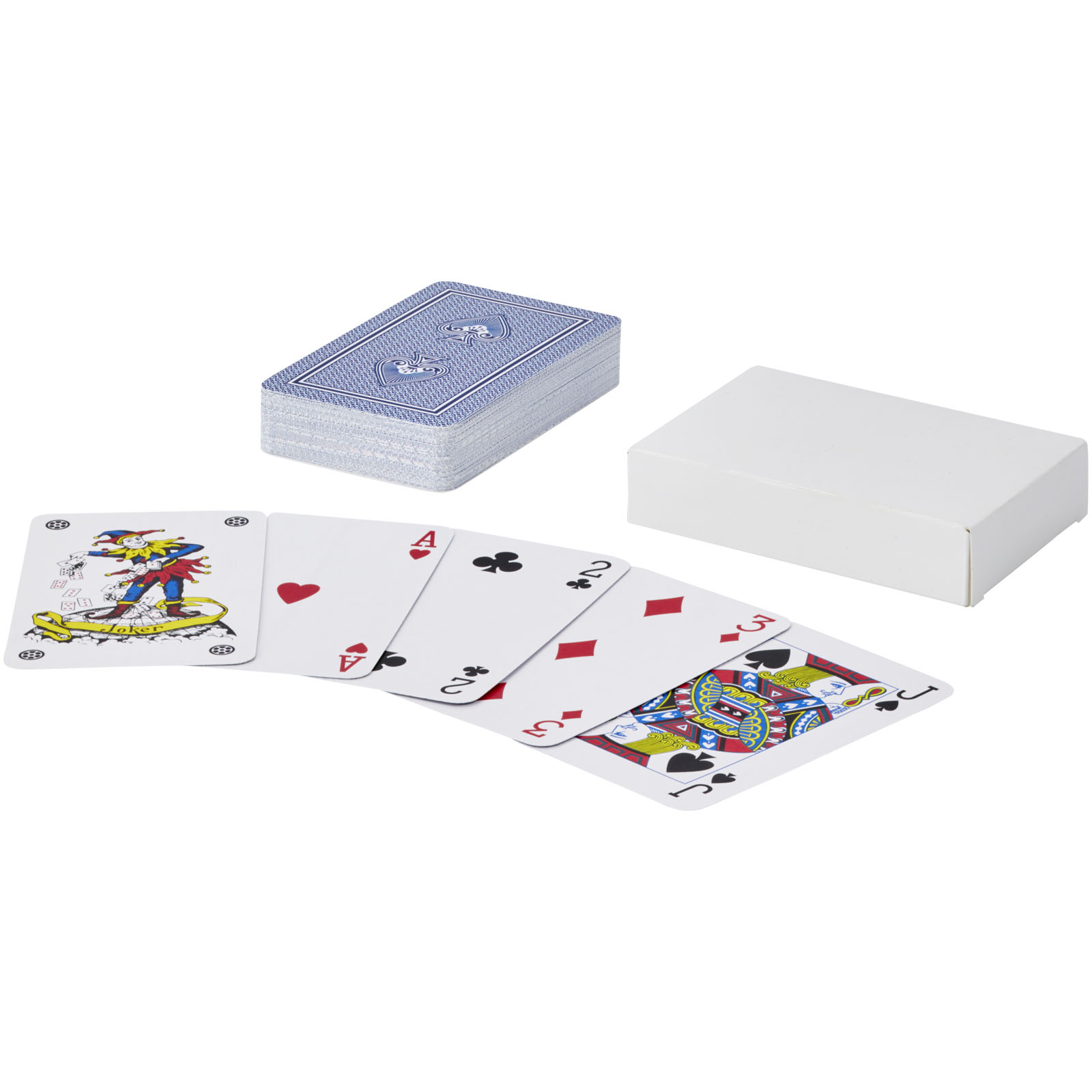
Games & Toys with Print: The Complete Business Guide
Learn how to choose the right games and toys with print for your brand – from stress relievers to wooden puzzles, with prices and practical tips.

Printing on Paper Bags: How to Choose the Right Method for Your Brand
A practical guide to flexographic, digital and screen printing on paper bags, helping your business match the right method to order volume, artwork and material.