
The Nordic Edge: How Scandinavian Firms Use Branded Apparel
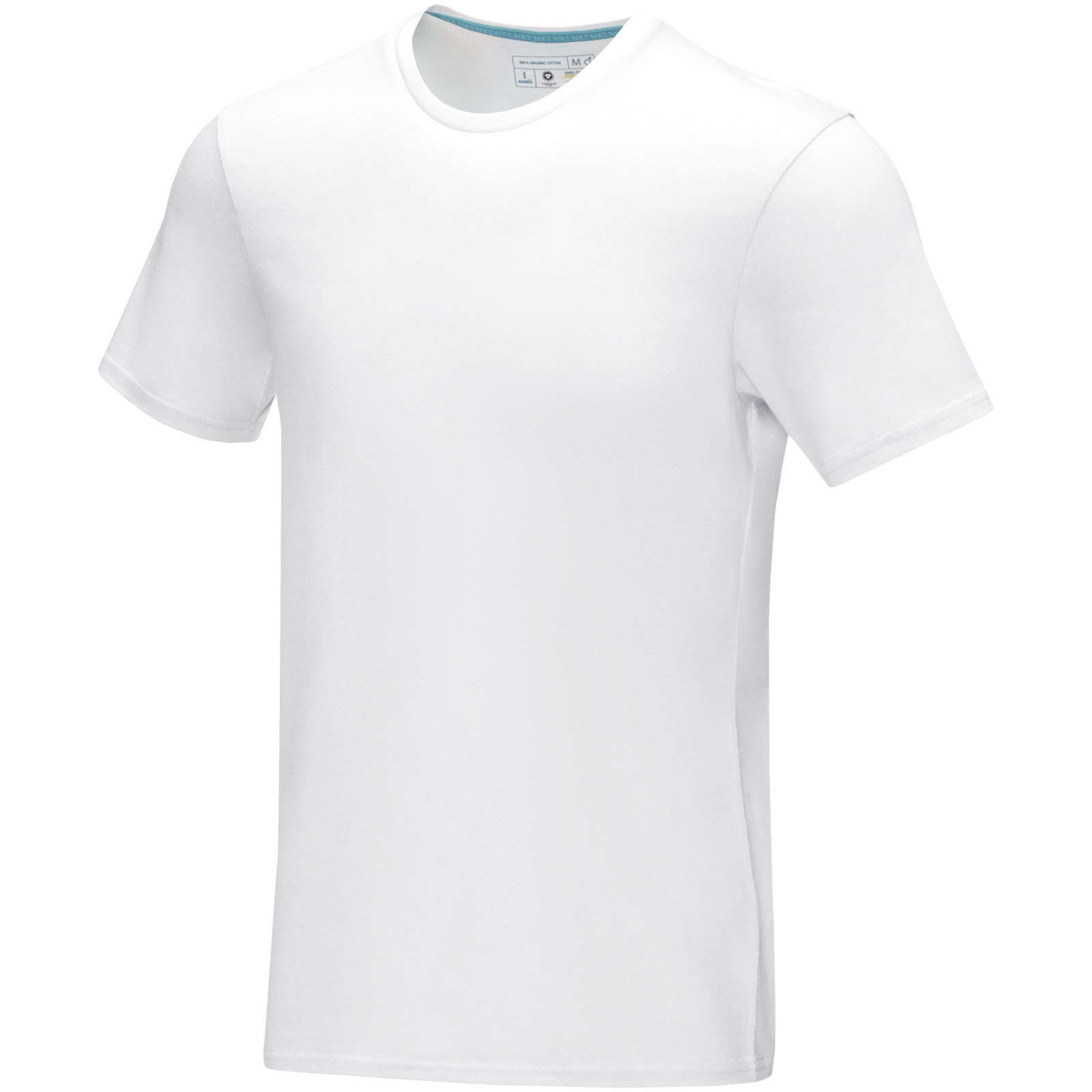
Discover the minimalist, sustainable approach to corporate identity. Learn how Scandinavian firms leverage high-quality branded apparel to build culture and trust.
The Philosophy of Purposeful Branding
In the competitive landscape of Northern Europe, corporate identity is no longer about shouting the loudest; it is about echoing the values of quality, sustainability, and egalitarianism. Scandinavian companies have long been pioneers in integrated brand management, and nowhere is this more visible than in their approach to branded apparel. Unlike the loud, oversized logos often seen in other markets, the Nordic aesthetic favours subtlety and functionality.
At ProfilProdukter.com, we have observed a significant shift in how B2B entities across Sweden, Norway, and Denmark utilise clothing. It is no longer just a 'uniform'—it is a tangible extension of the company’s ESG (Environmental, Social, and Governance) goals and a primary tool for internal culture building.
1. Minimalism and the 'Subtle Logo' Trend
The Scandinavian design tradition—characterised by simplicity and minimalism—is deeply embedded in corporate fashion. Modern firms are moving away from massive chest prints in favour of discreet placements. Small, high-definition embroidery on the sleeve, the nape of the neck, or even a tonal logo on the hem is becoming the standard.
This approach increases the 'wearability' of the garment. When a piece of branded apparel looks like a premium retail item rather than a walking billboard, employees are significantly more likely to wear it outside of office hours, naturally increasing brand impressions in high-value social environments.
2. The 'Flat Hierarchy' Wardrobe
Scandinavian business culture is famously horizontal. This lack of rigid hierarchy is reflected in the choice of apparel. It is common to see a CEO wearing the same high-quality branded hoodie or technical gilet as the junior developers. This creates a sense of unity and shared mission.
To achieve this, companies are investing in premium materials. Instead of budget-tier promotional shirts, there is a demand for organic cotton t-shirts and recycled polyester blends. The goal is to provide a garment that employees actually value, fostering a sense of belonging and pride.
3. Adapting to the Nordic Climate: The Layering Principle
Practicality is a cornerstone of Scandinavian life. Branded apparel must perform in diverse weather conditions. We see a high volume of interest in the 'three-layer principle':
- Base Layers: Moisture-wicking technical tees for active team-building events.
- Mid-Layers: Premium fleeces and quarter-zips for the office environment.
- Outerwear: High-performance softshells and waterproof jackets that withstand the coastal winds and winter snow.
By providing weather-appropriate gear, companies demonstrate a duty of care toward their staff, especially those in field-based roles or those who commute by bicycle—a staple of Nordic urban life.
4. Sustainability as a Non-Negotiable
By 2026, sustainability is no longer a 'nice-to-have' feature; it is a prerequisite for doing business in Scandinavia. Companies are scrutinising the supply chain of their promotional products more than ever. Branded apparel must now come with certifications such as GOTS (Global Organic Textile Standard), OEKO-TEX, or Fairtrade.
Scandinavian firms are also looking at the 'circularity' of their apparel. This means choosing durable fabrics that don't need frequent replacement and opting for timeless styles that won't look outdated in six months. At ProfilProdukter.com, our Sustainable Collection has become our fastest-growing category for this reason.
5. Strategic Onboarding and Talent Retention
In the war for talent, the first 90 days are critical. Scandinavian HR departments use branded apparel as a cornerstone of the onboarding 'Welcome Pack'. A high-quality backpack paired with a branded softshell jacket serves as a physical welcome into the 'tribe'.
Actionable Tip: When designing onboarding kits, consider the 'lifestyle' factor. A branded beanie or a high-quality weekend bag often has more emotional resonance than a standard office polo shirt.
Practical Advice for Your Next Apparel Campaign
If you are looking to emulate the success of Nordic branding, consider these actionable steps:
- Prioritise Fabric Quality: If the fabric feels cheap, the brand feels cheap. Opt for heavy-weight cotton or recycled technical fabrics.
- Focus on Fit: Modern Scandinavian silhouettes are often slightly more tailored or consciously oversized. Avoid 'boxy' unisex cuts if you want the garments to be worn regularly.
- Choose Earthy, Neutral Tones: Forest greens, navy blues, and slate greys are the current preference over bright, neon promotional colours.
- Think Beyond the Logo: Consider adding a small woven label with the company’s founding year or a short mission statement on the inside of the collar.
Internal Link Suggestions:
- Explore our range of Premium Corporate Hoodies for a modern office look.
- View our Technical Outerwear for weather-resistant branding solutions.
- Check out our Employee Onboarding Kits to boost your company culture.
Conclusion: The ROI of Quality
The Scandinavian approach to branded apparel proves that when you treat promotional clothing as a retail-grade product, the return on investment skyrockets. It stops being an expense and becomes an asset that builds internal loyalty and external trust. By focusing on sustainability, subtle design, and high-performance materials, your brand can achieve the same 'Nordic Edge' that defines the world’s most successful companies.
About the author
International Marketing Expert & Brand Strategist
James has over 10 years of experience in European B2B marketing and promotional products, working with companies across the UK, Germany, and the Nordic countries.
Related categories
Related articles
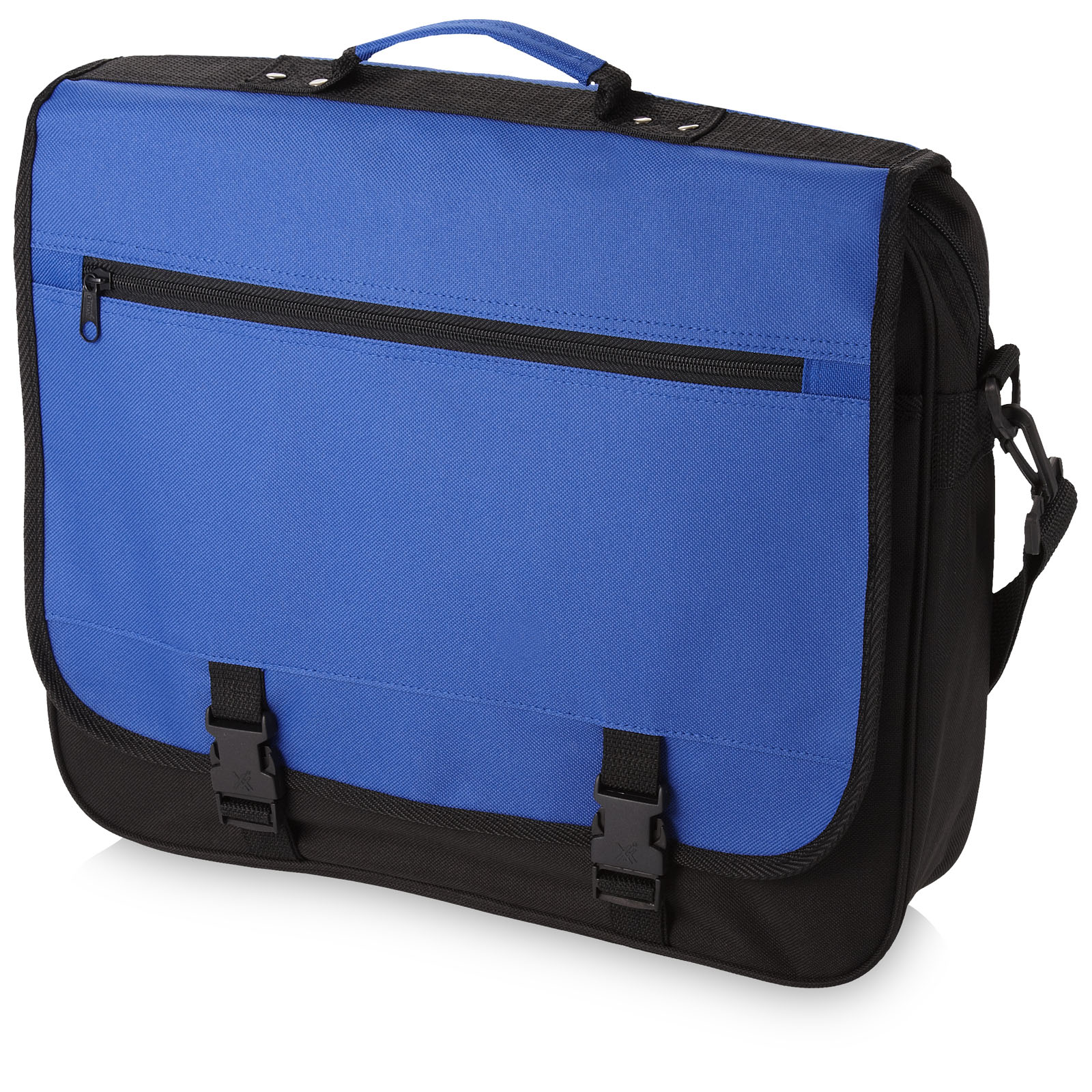
Printing on Bags: Which Method Suits Your Business?
Screen print, transfer or embroidery? Compare printing methods for bags by cost, durability and material to find the right fit for your brand.
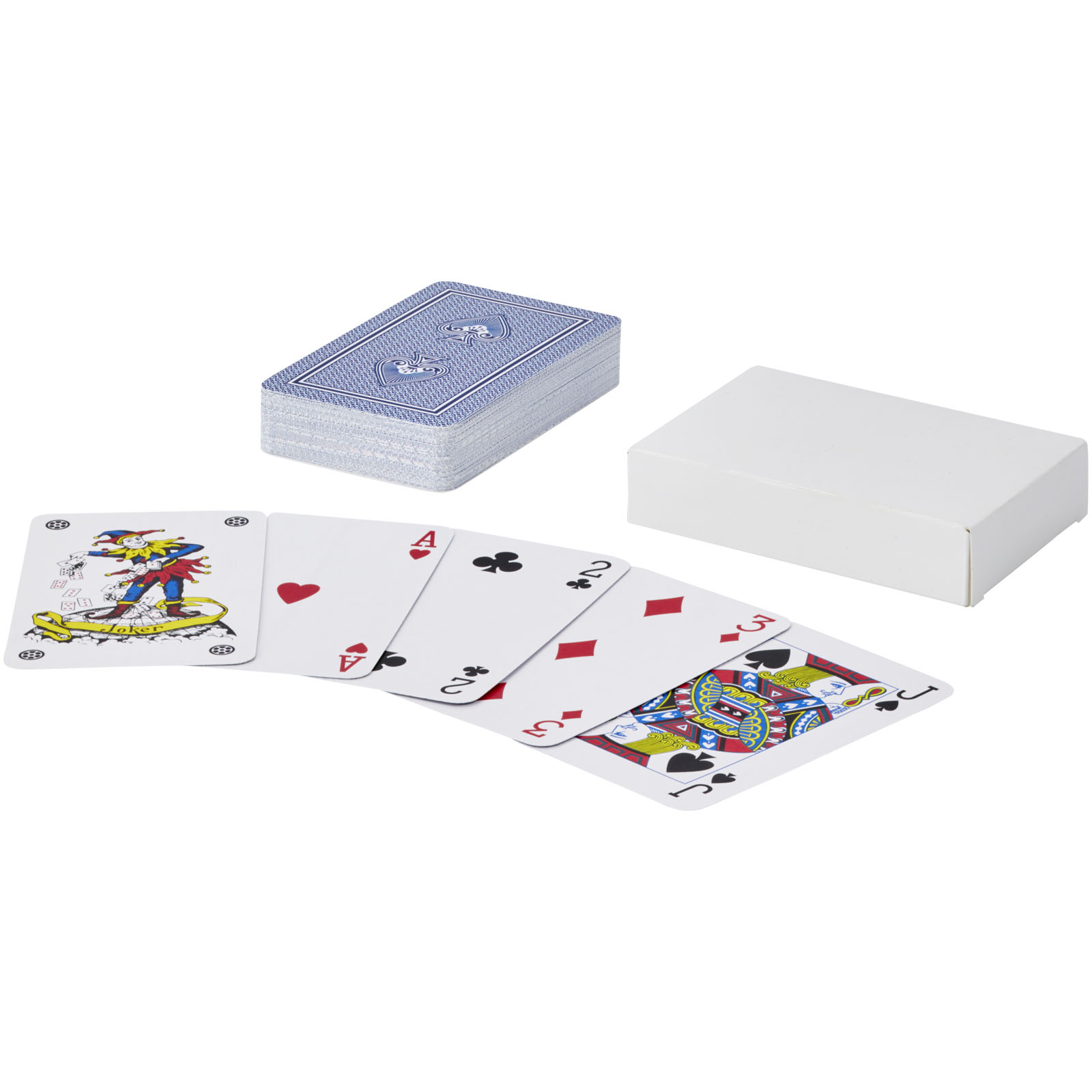
Games & Toys with Print: The Complete Business Guide
Learn how to choose the right games and toys with print for your brand – from stress relievers to wooden puzzles, with prices and practical tips.
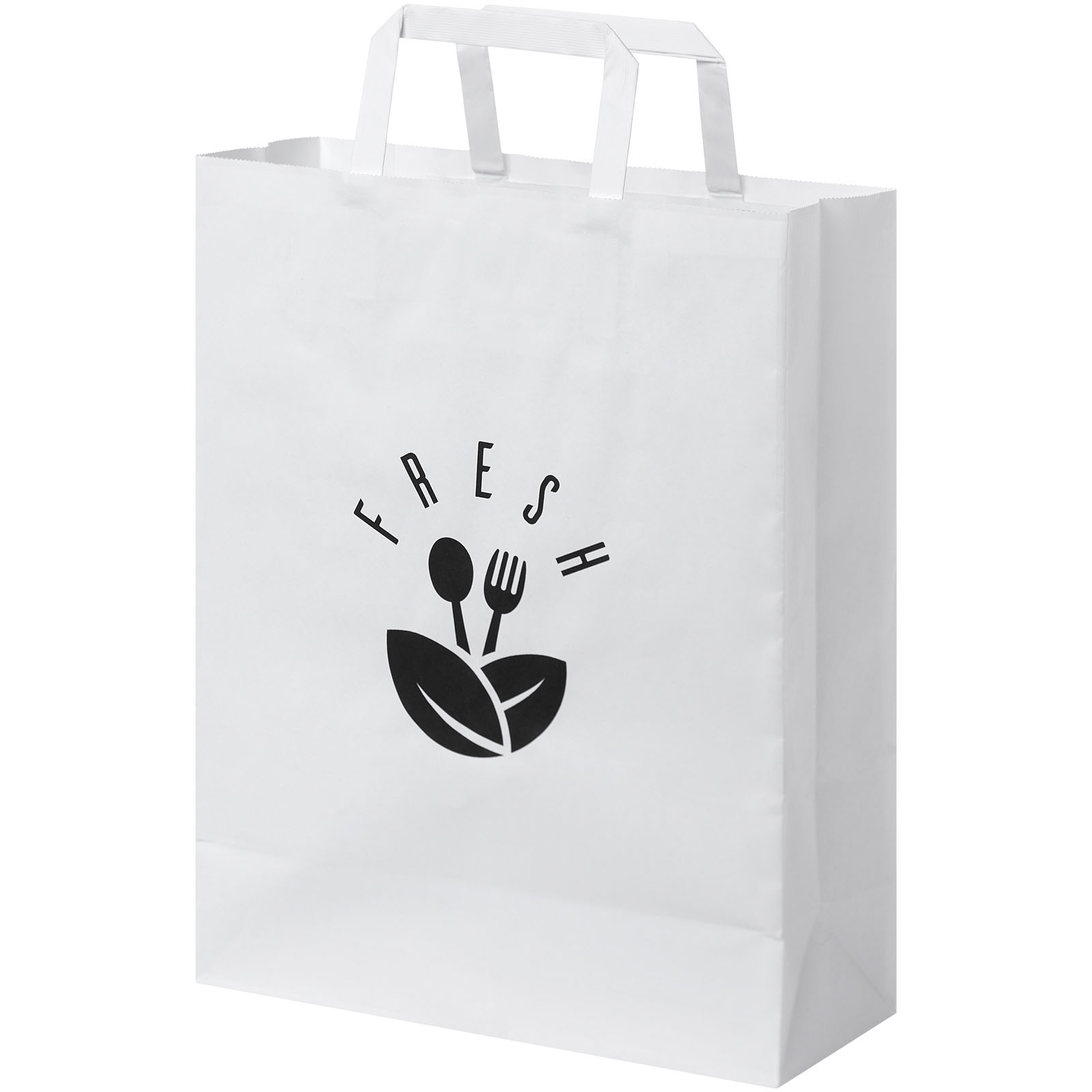
Printing on Paper Bags: How to Choose the Right Method for Your Brand
A practical guide to flexographic, digital and screen printing on paper bags, helping your business match the right method to order volume, artwork and material.