
Printing on Workwear: A Guide to the Best Methods
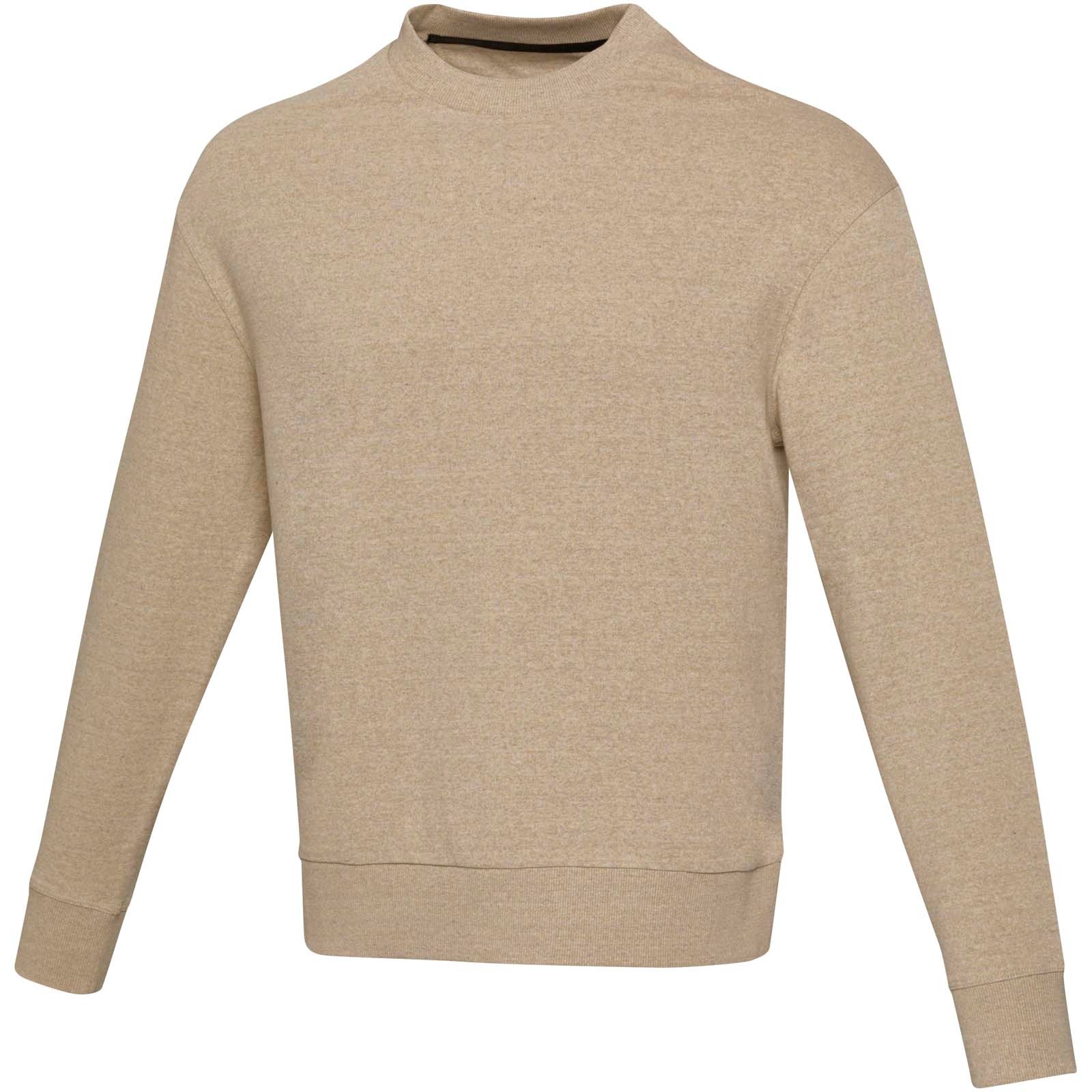
Choosing the right method for printing on workwear ensures durability and professional branding. Learn which technical process fits your business needs.
Choosing the right method for printing on workwear is the difference between a professional uniform that lasts years and a logo that peels off after three washes. In my 15 years of experience across the European market, I have seen many businesses prioritise the lowest price over the technical compatibility of the print and the fabric.
Quick Answer: Which Method Do You Need?
- Screen Printing: Best for high-volume orders (50+ units) and simple logos on cotton-heavy fabrics.
- Heat Transfer: Ideal for complex, multi-coloured logos and smaller quantities or synthetic materials.
- Embroidery: The premium choice for durability and a high-end feel, particularly on heavier sweatshirts and jackets.
- DTF (Direct to Film): The modern standard for high-detail designs that require stretch and durability on activewear.
Technical Breakdown of Branding Methods
When selecting workwear for your team, you must consider the technical limitations of each branding method. Not every logo works on every fabric.
Screen Printing: The Industry Standard
Screen printing remains the most cost-effective solution for large runs. I often recommend this for promotional events or high-turnover staff uniforms. The ink is pushed through a mesh stencil directly into the fibres. It works exceptionally well on garments like the Clasica unisex crewneck sweater, which features a 50% cotton and 50% polyester blend. This specific blend provides a stable surface for the ink to cure properly.
Heat Transfer and DTF
For modern businesses that require photographic detail or gradients, heat transfer is the go-to. Unlike screen printing, which requires a separate screen for every colour, transfer printing allows for unlimited colours. This is essential for technical fabrics. If you are branding the Estambul long sleeve women's half zip sweatshirt, which contains 12% elastane, you need a transfer that can stretch with the fabric without cracking.
Embroidery: Built for Longevity
While technically not "printing," embroidery is often the best choice for corporate workwear that faces heavy industrial washing. It offers a 3D texture that screams quality. I suggest embroidery for heavier garments, such as the Batian organic cotton unisex crewneck sweater. Its 300 g/m2 weight provides the necessary "heft" to support the thousands of stitches without the fabric puckering.
Matching the Method to the Material
In my experience, the biggest mistake companies make is ignoring the GSM (grams per square metre) and the material composition.
- High-Polyester Content: For items like the Evans unisex tracksuit (100% polyester), you must use low-temperature transfers to avoid "scorching" the fabric.
- Breathable Mesh: The Epiro long sleeve quarter zip is made of cooling mesh. A heavy screen print would block the breathability of the fabric. In this case, a small, breathable transfer or a subtle embroidery is preferred.
- Cotton Blends: The Aneto quarter zip sweater (50/50 blend) is the "all-rounder." It handles almost any printing method well, making it a safe bet for diverse work environments.
Understanding these nuances is a key part of measuring ROI on branded merchandise campaigns. If the print fails, the investment is lost.
Product Recommendations for Your Business
Based on current corporate gifting trends in Europe, here are my top three picks for branded workwear this year:
- The All-Rounder: Ulan unisex full zip sweater. At €14.78, its 280 g/m2 weight makes it perfect for either screen printing or embroidery. It’s durable enough for daily warehouse work but smart enough for the office.
- The Sustainable Choice: Batian organic cotton sweater. For businesses focusing on ESG goals, this organic and recycled blend is best paired with embroidery for a premium, eco-friendly look.
- The Performance Pick: Jaya unisex crewneck sweater. 100% cotton at €11.74. This is the gold standard for crisp, vibrant screen printing.
Summary of Costs and Durability
| Method | Best For | Durability | Price Point |
| :--- | :--- | :--- | :--- |
| Screen Print | Large volumes | High | Low (per unit) |
| Heat Transfer | Multi-colour | Medium-High | Medium |
| Embroidery | Premium look | Very High | High |
FAQ
Which printing method lasts the longest on workwear?
Embroidery is the most durable, as it is stitched into the fabric and can withstand high-temperature industrial washing. For actual printing, screen printing generally outlasts heat transfers on cotton garments.
Can I print on 100% polyester workwear?
Yes, but you must use specific "sublimation-friendly" transfers or low-heat films to prevent the polyester from melting or the garment colour from "bleeding" through the logo.
Is screen printing cheaper than embroidery?
For large quantities (usually over 50 units), screen printing is significantly more cost-effective. However, for small batches or individual names, embroidery or digital transfers are often more affordable due to lower setup costs.
About the author
International Marketing Expert & Brand Strategist
James has over 10 years of experience in European B2B marketing and promotional products, working with companies across the UK, Germany, and the Nordic countries.
Related categories
Related articles
Printing on Bags: Which Method Suits Your Business?
Screen print, transfer or embroidery? Compare printing methods for bags by cost, durability and material to find the right fit for your brand.
Games & Toys with Print: The Complete Business Guide
Learn how to choose the right games and toys with print for your brand – from stress relievers to wooden puzzles, with prices and practical tips.
Printing on Paper Bags: How to Choose the Right Method for Your Brand
A practical guide to flexographic, digital and screen printing on paper bags, helping your business match the right method to order volume, artwork and material.