
Printing on Kitchen Items: The Best Methods for Your Brand
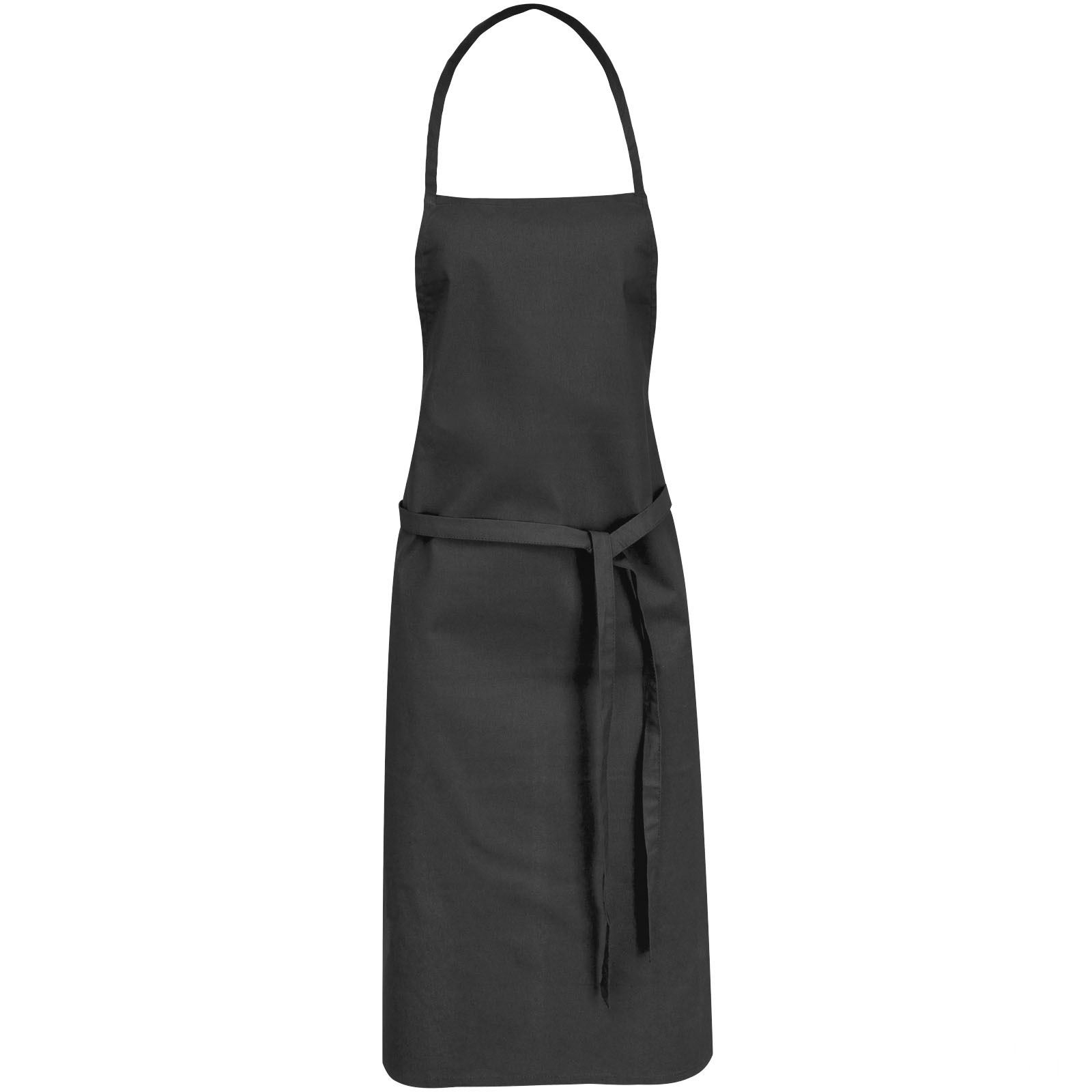
Expert guide on choosing the right printing methods for kitchen items, from laser engraving on wood to pad printing on glass and plastic.
The best method for printing on kitchen items depends entirely on the material's surface tension, heat resistance, and intended use—whether it is destined for a high-heat dishwasher environment or a decorative display.
In my 15 years of experience branding products for the European market, I have seen many companies make the mistake of choosing a printing method based on price alone, only to find the logo peeling off after three washes. To ensure your brand remains visible in the heart of the home, you must match the technique to the substrate.
Quick Answer: Choosing Your Printing Method
- Laser Engraving: Best for wood (bamboo/acacia) and metal; permanent, elegant, and dishwasher-proof.
- Pad Printing: Ideal for curved surfaces like mugs or small plastic items; offers high precision for fine details.
- Screen Printing: The go-to for flat textile surfaces like bread baskets or tea towels.
- Material Sensitivity: Glass and ceramics require specific inks and curing processes to ensure food safety and long-term durability.
Understanding Material Constraints in Kitchenware Printing
When you are selecting from our complete range of kitchen items, the material dictates the technical possibilities. In the European corporate gifting sector, we are seeing a significant shift towards natural materials like acacia wood, borosilicate glass, and bamboo.
Each of these reacts differently to branding:
- PP Plastic: This is a versatile, cost-effective material. For items like the Lumin round coaster (starting at €0.80), pad printing is the standard. It allows for vibrant colours that bond well with the plastic surface.
- Borosilicate Glass: Used in premium items like the Amelie glass carafe and cup set. This glass is heat-resistant, but its smooth surface requires specialised inks or etching to ensure the logo doesn't slip or fade.
- Acacia and Bamboo: These are porous, organic materials. I always recommend laser engraving here. Unlike ink, which can bleed into the wood grain, a laser burns the logo into the fibres, creating a permanent, high-end look that complements the natural aesthetic.
Top 3 Printing Methods for Professional Results
1. Laser Engraving (The Premium Choice)
I frequently recommend laser engraving for products like the Tala bamboo kitchen tool set. Because kitchen tools are often exposed to moisture and oils, a surface-level print can degrade. Engraving removes a thin layer of the bamboo, meaning the brand is literally part of the product. This is a key factor in building brand loyalty through strategic merchandise.
2. Pad Printing (Precision on Curves)
If you are branding a set like the Runa cutlery set with bamboo lid, pad printing is often used for the plastic base. A silicone pad "picks up" the ink from an etched plate and "stamps" it onto the item. This is the most flexible method for 3D objects or items with slight curves.
3. Screen Printing (Best for Textiles)
For items involving fabric, such as the Toma bread basket which combines cotton and cork, screen printing is the most effective. It allows for a thicker application of ink, which is necessary for the textured surface of cotton. It provides excellent "pop" for your logo against neutral, natural tones.
Durability and Food Safety: The Expert Perspective
In my experience, European businesses are increasingly concerned with the longevity of their promotional items. A poorly printed kitchen item that loses its logo after a month is a waste of investment and a negative reflection on your brand. When calculating the ROI on branded merchandise campaigns, durability is a primary metric.
Always ensure that the inks used are food-safe, especially on items that come into direct contact with consumables. For high-end executive gifts, such as the Male wooden serving tray and glass cups set, combining laser engraving on the acacia wood with a subtle print on the glass creates a sophisticated, multi-textured brand experience.
Recommended Kitchen Items for Your Next Campaign
- For High-Volume Events: The Lumin square coaster. At €0.80 per unit, it offers a large, flat surface area for pad printing, making it perfect for trade shows or office refreshments.
- For Premium Corporate Gifting: The Noa wooden tray and ceramic serving bowls set. Priced from €15.22, this is an excellent candidate for laser engraving on the acacia tray. It aligns perfectly with corporate gifting trends in Europe.
- For Eco-Conscious Brands: The Tala bamboo kitchen tool set. Bamboo is a rapidly renewable resource, and engraving ensures no synthetic inks are used, supporting a sustainable promotional products strategy.
FAQ
- Is printing on kitchen items dishwasher safe?
It depends on the method. Laser engraving is 100% dishwasher safe. Pad and screen printing are generally "hand-wash recommended" unless a specific high-temp curing process is used.
- Can I print multiple colours on wooden items?
While possible with pad printing, I strongly advise laser engraving for wood. If colour is essential, we can use UV printing, though it may not be as durable as engraving on porous surfaces.
- What is the best material for a long-lasting logo?
Stainless steel or hard woods like acacia and bamboo are best because they allow for laser engraving, which never fades or peels.
About the author
International Marketing Expert & Brand Strategist
James has over 10 years of experience in European B2B marketing and promotional products, working with companies across the UK, Germany, and the Nordic countries.