
Sustainable Tote Bags: A Guide for Eco-Conscious Businesses
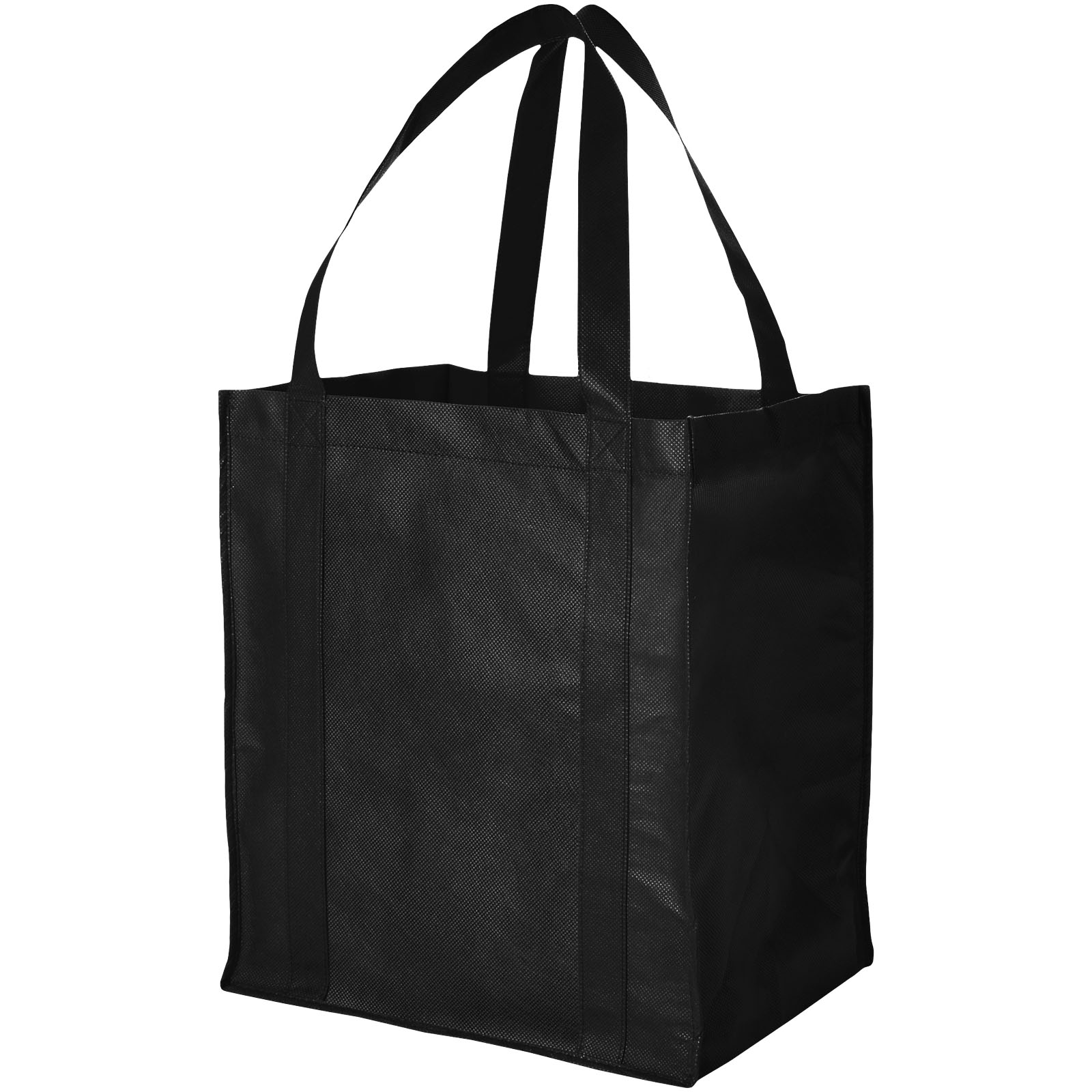
Discover which sustainable tote bag materials deliver real environmental value, from organic cotton to RPET, with specific product recommendations.
Sustainable tote bags are one of the most effective eco-friendly promotional products a business can invest in – but only if you choose the right material and use them correctly. The three genuinely sustainable options in 2025 are organic cotton, recycled polyester (RPET) and FSC-certified paper, and each suits a different budget and use case.
Quick answer: what makes a tote bag sustainable?- Certified materials: Look for GOTS or organic cotton, GRS-certified recycled polyester, or FSC-certified paper
- Longevity matters most: A cotton tote needs 50–150 uses to offset its production footprint – durability beats disposability
- Weight indicates quality: 280 g/m² organic cotton lasts years; thin 105 g/m² RPET works best as a lightweight giveaway
- Prices range from €0.96 to €12.61 per unit for most branded options
Why material choice matters more than the "eco" label
Not every bag marketed as sustainable actually is. Our experience working with hundreds of corporate orders has taught us that the environmental value of a tote bag depends almost entirely on two factors: what it's made from and how often it gets used.
Here's the honest nuance most suppliers won't tell you: a conventional cotton tote actually has a higher production footprint than a plastic bag. It only becomes the sustainable choice when it replaces dozens of single-use bags. That's why we recommend heavier, more durable fabrics for corporate gifts – recipients keep and reuse them for years.
The three materials worth considering:
- Organic cotton: Grown without synthetic pesticides, using significantly less water than conventional cotton. Best for premium gifts where longevity is the goal.
- RPET (recycled PET): Made from recycled plastic bottles, giving waste a second life. Lightweight, foldable and ideal for trade shows. Look for GRS certification, which verifies the recycled content through the supply chain.
- FSC-certified paper: A newer option using straw paper from responsibly managed sources. Surprisingly durable and visually distinctive.
Certifications that actually mean something
When your brand goes on a bag, you're making a public sustainability statement. Vague "eco-friendly" claims can backfire – European consumers and the EU's Green Claims Directive increasingly demand substantiation. Stick to these verifiable certifications:
- GRS (Global Recycled Standard): Verifies recycled content and responsible production practices
- FSC®: Confirms paper and wood materials come from responsibly managed forests
- Organic cotton certification: Guarantees the cotton was grown without synthetic pesticides or GMO seeds
Being able to say "GRS-certified recycled polyester" rather than simply "eco bag" gives your marketing team defensible claims and gives recipients a genuine reason to trust your brand's commitment.
Our recommendations by budget and use case
Premium corporate gifts: heavyweight organic cotton
The Citizen Green Jeannette organic cotton tote bag is our top pick for client gifts. At 280 g/m², it's substantially thicker than the flimsy 140 g/m² totes handed out at most events – which means it survives daily use for years rather than weeks. From €7.74 per unit, it hits the sweet spot between quality and cost for orders of 100+ units.
For something with more structure, the Citizen Green Azalee tote bag (220 g/m² cotton, from €12.61) offers a more refined finish suited to premium branding.
Trade shows and events: lightweight RPET
The Edy 105 g/m² foldable RPET tote bag is purpose-built for exhibitions. It folds into a compact pouch, weighs almost nothing, and the sublimation print allows full-colour, edge-to-edge designs that stand out on a busy show floor. From €6.61 per unit. If you want a sturdier feel, the Etta version at 300 g/m² (from €6.87) offers the same foldability with more durability.
For a genuinely budget-friendly option, the Oriole RPET drawstring bag starts at just €0.96 per unit with GRS-certified recycled polyester – perfect for high-volume giveaways where every bag still carries a credible sustainability story.
Something different: FSC-certified straw paper
The Rhythm straw paper tote bags (10L from €4.43, or the large 21L zipped version from €5.13) offer a distinctive natural look that photographs beautifully and sparks conversations. They're an excellent choice for brands in food, wellness or design sectors wanting to stand apart from the sea of cotton totes.
Browse the complete range of tote bags with print to compare all materials and print options side by side.
Making your sustainable totes work harder
A sustainable bag only delivers ROI if people actually use it. Three practical tips from campaigns we've seen succeed:
- Design for reuse, not advertising: A subtle logo on an attractive bag gets carried weekly; a billboard-style print gets left in a cupboard
- Tell the material story on the bag itself: A small "made from 12 recycled bottles" note dramatically increases perceived value
- Match the bag to the moment: Foldable RPET for conference delegates travelling home, heavyweight cotton for long-term client relationships
For deeper tactics on event distribution, see our guide to cotton tote bags at trade shows, or explore marketing strategies for printed cotton totes. If you're building a broader sustainable merchandise programme, our guide to sustainable take-away cups pairs well with this one.
FAQ
Which is more sustainable: organic cotton or RPET?
It depends on use. RPET has a lower production footprint and diverts plastic waste, making it better for lightweight giveaways. Organic cotton wins for long-term durability – a heavyweight cotton tote used for five years outperforms almost any alternative.
How many uses does a cotton tote need to be eco-friendly?
Studies suggest 50–150 uses to offset production compared with single-use plastic bags. This is precisely why we recommend heavier fabrics (220 g/m² and above) that survive years of regular use.
What's the minimum order for printed sustainable tote bags?
Minimum quantities vary by product and print method, but most sustainable totes are available from relatively small runs. Sublimation printing on RPET typically suits full-colour designs, while screen printing on cotton is most cost-effective for simple logos at volume.
About the author
ProfilProdukter.com
Writer
Related categories
Related articles
Printing on Bags: Which Method Suits Your Business?
Screen print, transfer or embroidery? Compare printing methods for bags by cost, durability and material to find the right fit for your brand.
Sustainable Tech Gadgets: A Guide for Eco-Conscious Businesses
Discover how sustainable tech gadgets made from recycled materials strengthen your brand, meet CSRD demands and impress eco-conscious clients.

Sustainable T-Shirts: Guide for Eco-Conscious Businesses
Learn how to choose sustainable t-shirts for your business: organic cotton, certifications, print methods and budget-friendly options from €4.09.