
Printing on Bags: Which Method Suits Your Business?
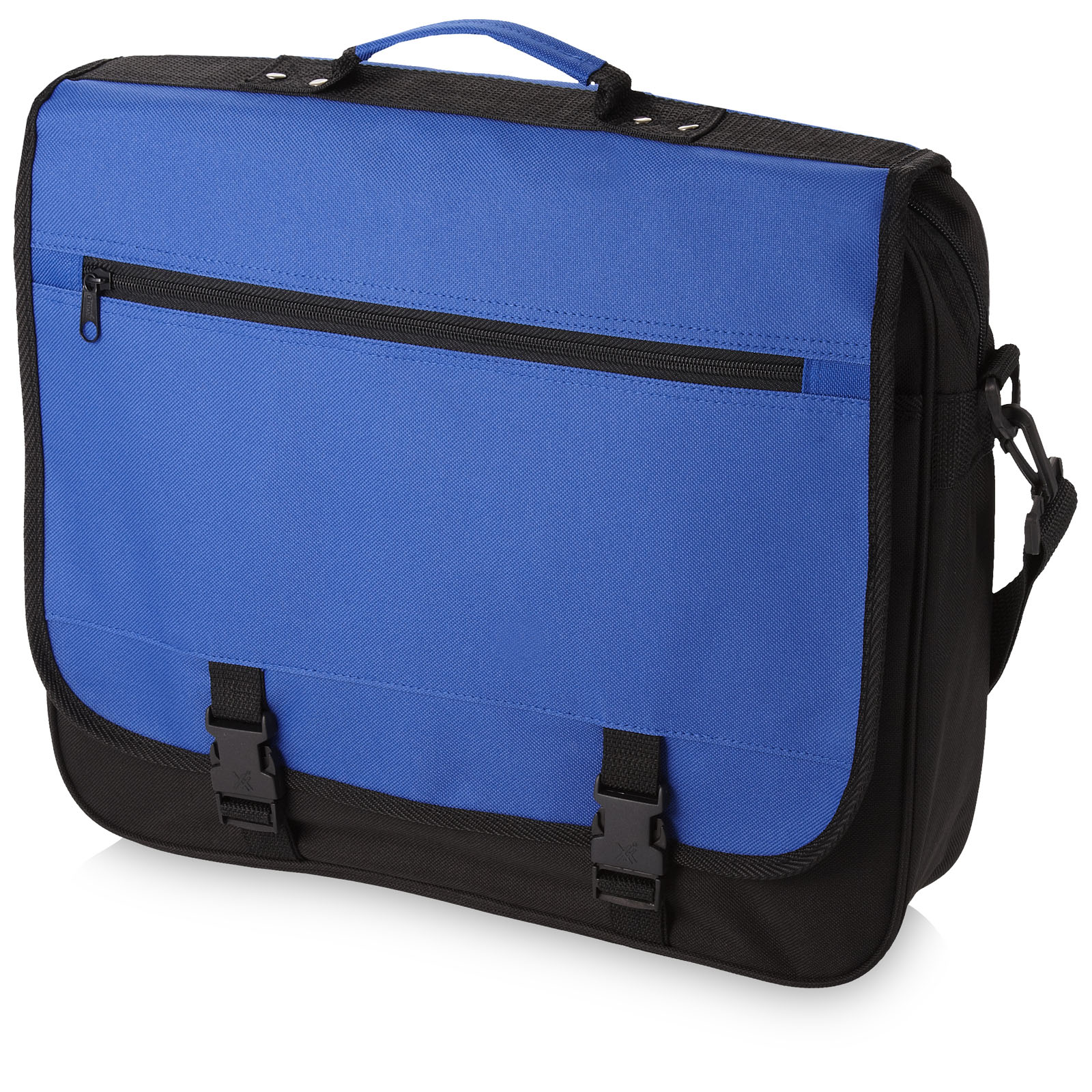
Screen print, transfer or embroidery? Compare printing methods for bags by cost, durability and material to find the right fit for your brand.
The best printing method for bags depends on three things: the bag's material, the complexity of your design, and your order quantity. Screen printing wins for simple logos on cotton in larger runs, transfer printing handles multi-colour designs on almost any fabric, and embroidery delivers a premium finish that outlasts the bag itself.
Quick answer:- Screen printing – best value for 1–3 colour logos on cotton bags, from around 50 units
- Transfer printing – ideal for photographic or multi-colour designs, works on polyester and coated fabrics
- Embroidery – the most durable and premium option, best on thicker fabrics (280 g/m² and above)
- Digital/full-colour print – suits paper and small flat items with detailed artwork
Screen Printing: The Workhorse for Cotton Bags
Screen printing pushes ink through a mesh stencil directly onto the fabric, one colour at a time. It remains the most cost-effective method for cotton bags once you pass roughly 50 units, because the setup cost per colour is spread across the run.
It performs best on flat, smooth surfaces with medium-weight cotton. A bag like the Citizen Green Pollux cotton duffel bag (220 g/m² cotton, from €25.65/unit) offers a generous, even print area that takes screen printing beautifully.
Choose screen printing when:- Your logo has 1–3 solid colours
- You're ordering 50+ units
- The bag is cotton or canvas with a flat print surface
Transfer Printing: Detail and Flexibility
Transfer printing applies your design to a carrier film first, then heat-presses it onto the bag. This is the method to choose when your artwork has many colours, gradients or fine detail, or when the fabric won't accept ink directly.
Synthetic materials are transfer printing's natural territory. The SMART RFID accessory pouch in GRS-certified recycled polyester (from €10.00/unit) is a good example – recycled polyester can be tricky for screen printing due to dye migration, but a transfer sits crisply on the surface.
The trade-off is durability. A transfer is a layer on top of the fabric rather than ink absorbed into it, so heavy abrasion over years of use will eventually show. For giveaway items with a 1–2 year expected lifespan, this rarely matters in practice.
Embroidery: Premium Feel, Maximum Longevity
Embroidery stitches your logo directly into the fabric with thread. Nothing else conveys quality in the same way – there's a tactile depth to embroidery that print can't replicate, which is why it dominates on executive gifts and retail-quality bags.
It requires a fabric with enough body to hold the stitches without puckering. Heavier organic cotton at 360 g/m², like the Citizen Green Rigodon travel bag (from €44.35/unit) or the Citizen Green Musette accessory bag (from €20.00/unit), takes embroidery exceptionally well.
Embroidery limitations to be aware of:- Cost scales with stitch count, not colours – large logos become expensive
- Fine text below roughly 5 mm height loses legibility
- Photographic designs are not reproducible
Full-Colour Digital Print for Small Items
For small, flat items and paper-based packaging, full-colour digital printing reproduces photographic artwork with no colour limit and no setup cost per colour. The motion sickness bands in a full-colour printed envelope (FSC-certified paper, from €1.48/unit) show how digital print makes even a low-cost giveaway look polished with edge-to-edge artwork.
Matching Method to Budget and Order Size
A practical rule of thumb for planning:
- Under 50 units: transfer or digital print – setup costs for screen printing rarely pay off
- 50–500 units: screen printing for simple logos, transfer for complex artwork
- Premium gifts at any quantity: embroidery on 280 g/m²+ fabric
For a low-cost, high-quality entry point, the Citizen Green Maxine small organic cotton pouch (280 g/m² organic cotton, from €3.91/unit) works with both screen printing and embroidery, making it a flexible choice for mixed campaigns.
You can browse the full range of bags with print to compare materials and print options side by side. If you're planning a trade show campaign specifically, our guide to cotton tote bags for trade shows covers quantities and distribution strategy, and our article on marketing strategies for printed cotton bags digs into positioning your branded bags for maximum visibility.
FAQ
Which printing method lasts longest on bags?
Embroidery. Because the logo is stitched into the fabric rather than applied to its surface, it withstands washing and abrasion for the entire life of the bag. Screen printing comes second, typically lasting 30–50 washes on cotton before noticeable fading.
Can you print full-colour photographs on cotton bags?
Yes, via transfer printing or direct-to-garment digital printing. Screen printing cannot reproduce photographs cost-effectively, as each colour requires a separate screen. For photographic artwork, always request a transfer or digital quote.
What is the minimum order for printed bags?
Transfer and digital printing are viable from as few as 10–25 units because there's minimal setup. Screen printing generally becomes economical from around 50 units, when the fixed screen costs are spread across the order.
About the author
ProfilProdukter.com
Writer
Related categories
Related articles
Sustainable Tote Bags: A Guide for Eco-Conscious Businesses
Discover which sustainable tote bag materials deliver real environmental value, from organic cotton to RPET, with specific product recommendations.
Games & Toys with Print: The Complete Business Guide
Learn how to choose the right games and toys with print for your brand – from stress relievers to wooden puzzles, with prices and practical tips.
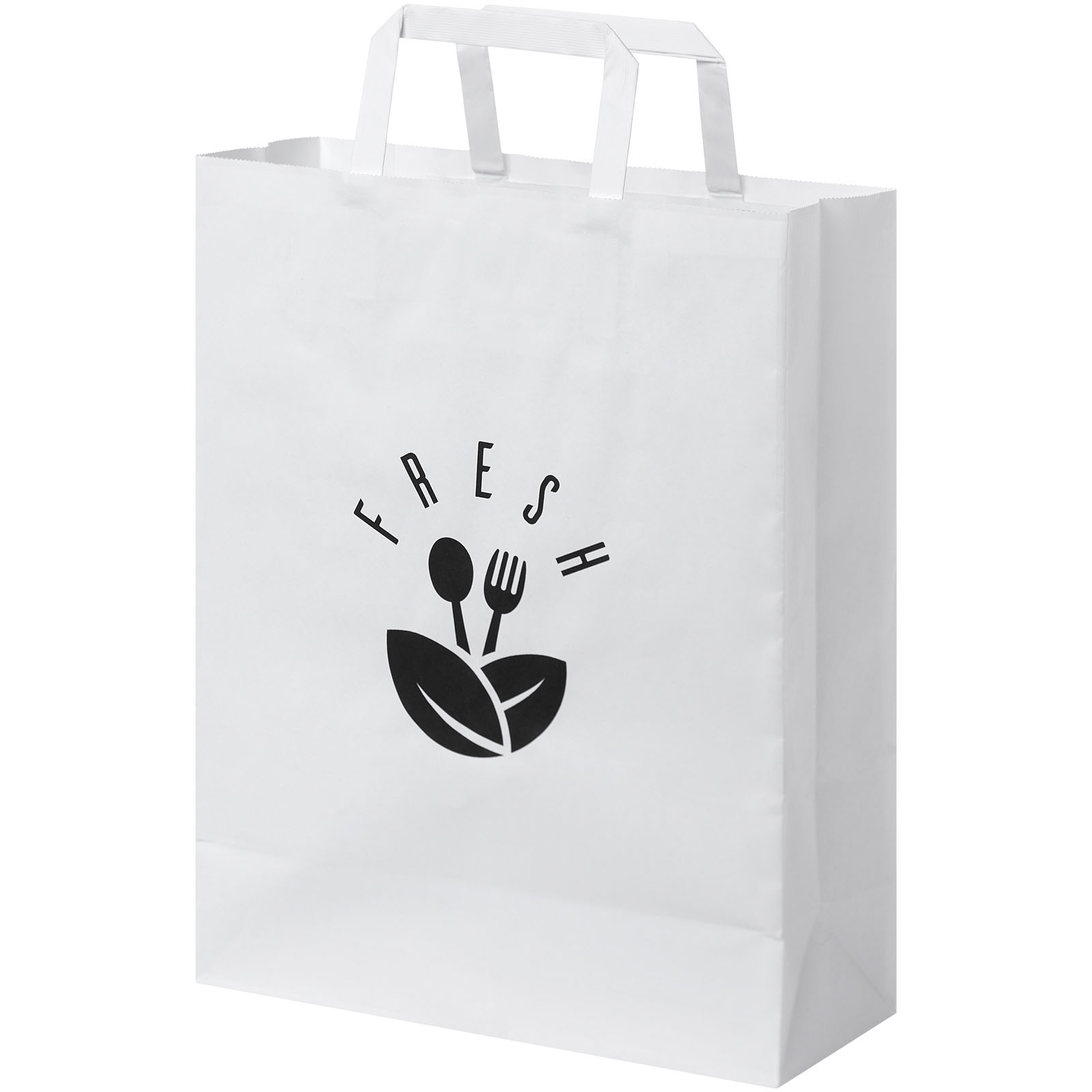
Printing on Paper Bags: How to Choose the Right Method for Your Brand
A practical guide to flexographic, digital and screen printing on paper bags, helping your business match the right method to order volume, artwork and material.