
Printing on Kitchen Items: Choosing the Right Method
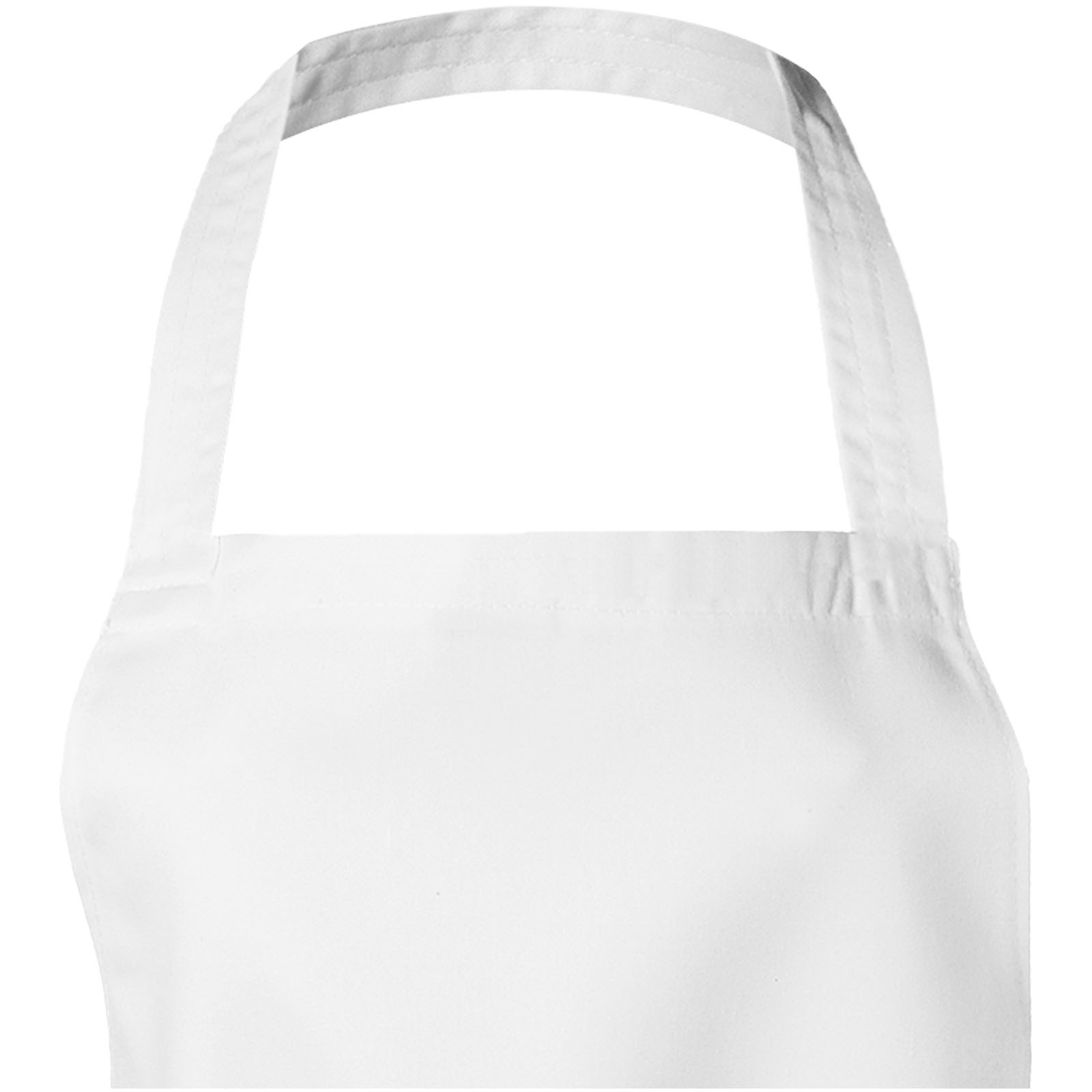
Discover which printing methods work best for different kitchenware materials to ensure durable and professional branding for your business.
Selecting the right technique for printing on kitchen items depends entirely on the substrate material—be it bamboo, glass, or plastic—to ensure the logo remains vibrant and food-safe after repeated washing.
Quick Guide: Printing Methods for Kitchenware
- Laser Engraving: Best for natural materials like wood and bamboo; provides a permanent, premium "burnt-in" look.
- Screen Printing: Ideal for flat plastic or textile surfaces where high-contrast, solid colours are required.
- Pad Printing: The versatile choice for curved objects like ceramic bowls or glassware.
- Durability: Always consider heat and moisture resistance, as kitchen items face harsher conditions than standard office supplies.
Understanding Substrates: Why Material Dictates the Print Method
In my 15 years of experience across the European promotional market, I have seen many companies make the mistake of choosing the cheapest printing method without considering the material's texture. Kitchenware presents a unique challenge because these items are handled frequently and exposed to detergents.
When you are looking at our complete range of kitchen items, the first thing I check is the surface tension and porosity. For instance, oily woods like acacia require different treatment than non-porous borosilicate glass. If you apply a standard ink to a high-oil wood surface, you risk the logo peeling within weeks.
Top Printing Methods for Professional Kitchenware
Laser Engraving for Natural Materials
For items like the Tala bamboo kitchen tool set, I almost always recommend laser engraving. Because bamboo and acacia are organic, the laser reacts with the fibres to create a dark, recessed mark. It is impossible to wash off, making it the most "honest" branding method for eco-friendly campaigns.
Screen and Pad Printing for Plastics and Ceramics
If you are working with plastic items, such as the Lumin round coaster, screen printing is the gold standard. It allows for a thick layer of ink that stands out against the white PP plastic. For curved items, like the ceramic bowls in the Noa set, pad printing uses a silicone "stamp" to wrap the logo around the contour of the dish.
Glass Etching and Speciality Inks
Glassware, such as the Amelie glass carafe and cup set, often benefits from a frosted print or high-fire decals. In my experience, using a matt finish on glass provides a sophisticated backdrop that makes even a simple one-colour logo look like a retail-grade product.
Strategic Product Recommendations
Based on current corporate gifting trends in European markets, here are three products that excel with specific printing methods:
- The Eco-Choice: Tala bamboo kitchen tool set (€11.74/unit). Best for laser engraving. Bamboo is incredibly durable and communicates a "green" brand message effectively.
- The Premium Gift: Amelie glass carafe and cup set (€7.83/unit). Best for pad printing. The matt finish gives it a contemporary European aesthetic that fits perfectly in modern boardrooms.
- The High-Volume Essential: Lumin round coaster (€0.80/unit). Best for screen printing. It is a cost-effective way to get your brand onto every desk or café table.
Durability and Food Safety Standards
When printing on kitchen items for the European market, compliance is key. All inks used must be non-toxic and, where applicable, resistant to high temperatures. I always advise clients to consider the "dishwasher-safe" factor. While laser engraving is 100% dishwasher proof, printed logos may fade over hundreds of cycles. If your brand priority is longevity, engraving on wood or metal is the superior choice.
To see how these items fit into a wider marketing strategy, you might want to read about measuring ROI on branded merchandise campaigns.
FAQ
Is the print on kitchen items dishwasher safe?
It depends on the method. Laser engraving is permanent and dishwasher safe. Screen and pad printing are highly durable but may eventually fade after extensive dishwasher use; hand-washing is often recommended for maximum longevity.
Can I print a full-colour logo on wooden trays?
While possible via digital UV printing, I usually recommend a single-colour print or engraving. Natural wood grain can interfere with the clarity of complex, multi-coloured logos.
What is the most cost-effective method for large orders?
For flat surfaces like coasters or bread baskets, screen printing is the most economical choice for high-volume orders, offering a low cost per unit without sacrificing visual impact.
About the author
International Marketing Expert & Brand Strategist
James has over 10 years of experience in European B2B marketing and promotional products, working with companies across the UK, Germany, and the Nordic countries.
Related categories
Related articles
Printing on Bags: Which Method Suits Your Business?
Screen print, transfer or embroidery? Compare printing methods for bags by cost, durability and material to find the right fit for your brand.
Games & Toys with Print: The Complete Business Guide
Learn how to choose the right games and toys with print for your brand – from stress relievers to wooden puzzles, with prices and practical tips.
Printing on Paper Bags: How to Choose the Right Method for Your Brand
A practical guide to flexographic, digital and screen printing on paper bags, helping your business match the right method to order volume, artwork and material.